aayat313313@gmail.com
First-time travel is exciting, confusing, and slightly scary – all at once. No one really tells you how many small decisions are involved, or how different travel feels once you actually leave home. This guide is written for beginners who want honest, practical advice, not unrealistic Instagram expectations.
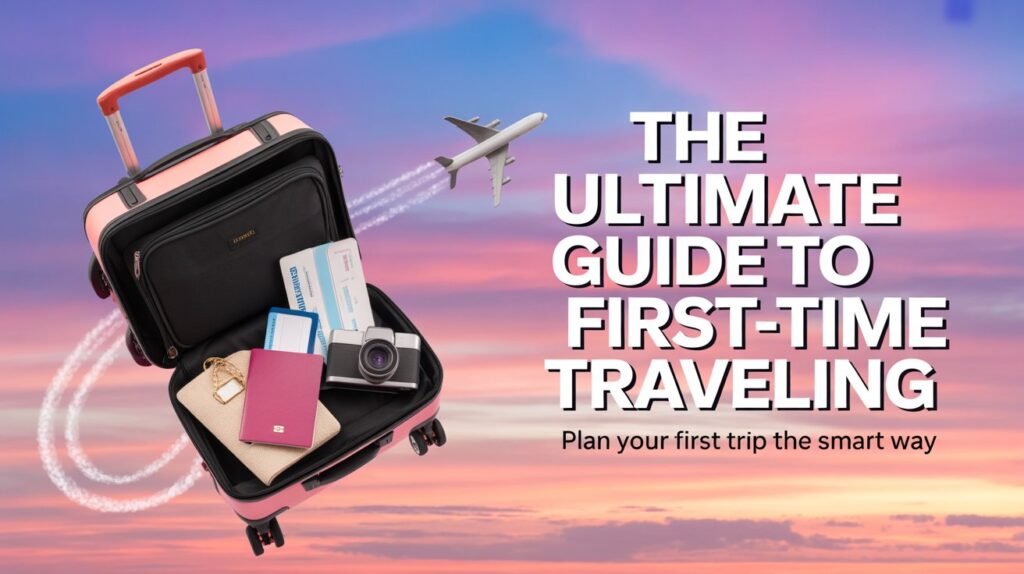
The Ultimate Guide to First-Time Traveling: What Nobody Told You (But Should Have)
If this is your first time traveling, this article will walk you through everything step by step – the things people usually learn after making mistakes.
1: Understand Why You’re Traveling (Before Booking Anything)
First-time travelers often rush into bookings without asking one important question: why am I traveling?
Is it for relaxation, adventure, self-discovery, or simply to escape routine? Your reason will shape every decision – destination, budget, pace, and even the people you travel with.
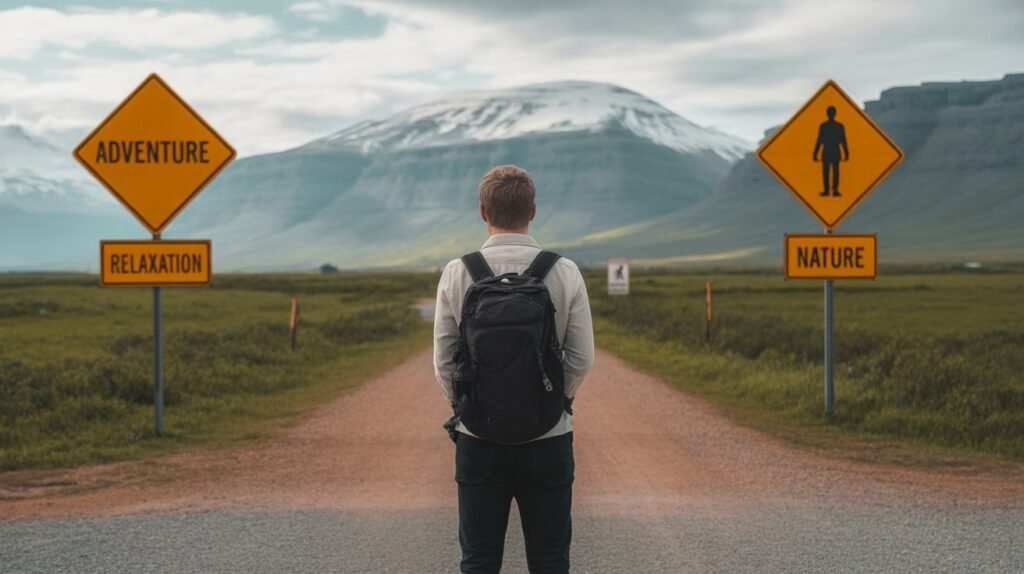
Many travel mistakes happen because expectations don’t match reality. A peaceful trip and a fast-paced sightseeing trip require completely different planning.
2: Choose a Beginner-Friendly Destination
Not all destinations are ideal for first-time travelers. Start with a place that has good transportation, clear signage, safe neighborhoods, and basic tourist infrastructure.

Avoid destinations that require complex visas, strong language barriers, or extreme weather conditions for your first trip. Simple does not mean boring – it means manageable.
3: Set a Realistic Budget (And Add a Buffer)
Your travel budget should include more than flights and hotels. First-time travelers often forget about local transport, tips, entry tickets, internet, and small daily expenses.
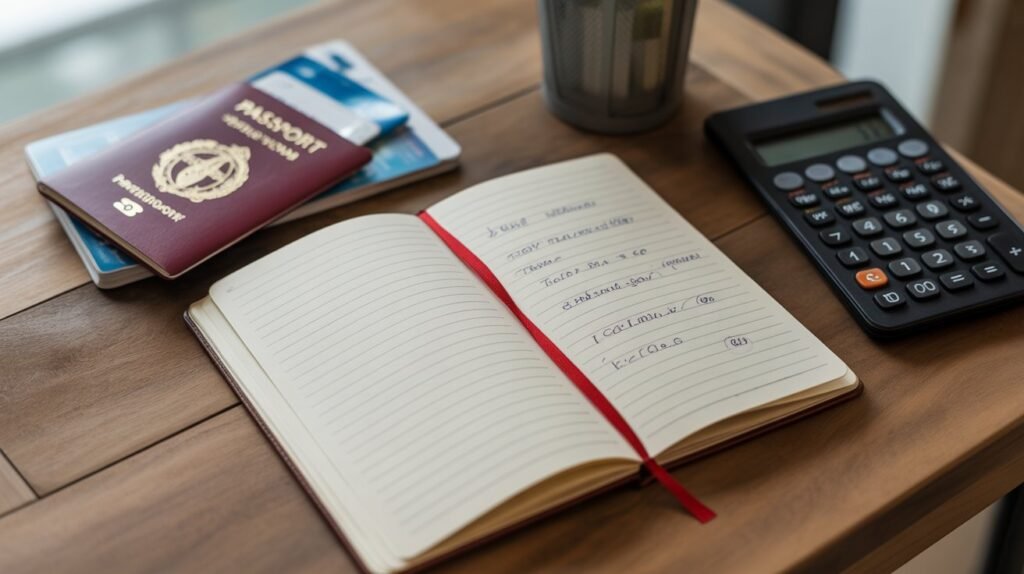
Always add an emergency buffer. Unexpected costs are part of travel, not mistakes.
A realistic budget reduces stress and allows you to actually enjoy your trip.
4: Book Smart, Not Fast
Booking early helps, but booking wisely matters more. Compare prices, read recent reviews, and always check cancellation policies.

For your first trip:
- Choose accommodation in a central, safe area
- Avoid deals that seem too cheap
- Read real traveler reviews, not just ratings
Good bookings prevent most travel problems.
5: Pack Less Than You Think You Need
Overpacking is the most common beginner mistake. Heavy luggage slows you down and limits flexibility.
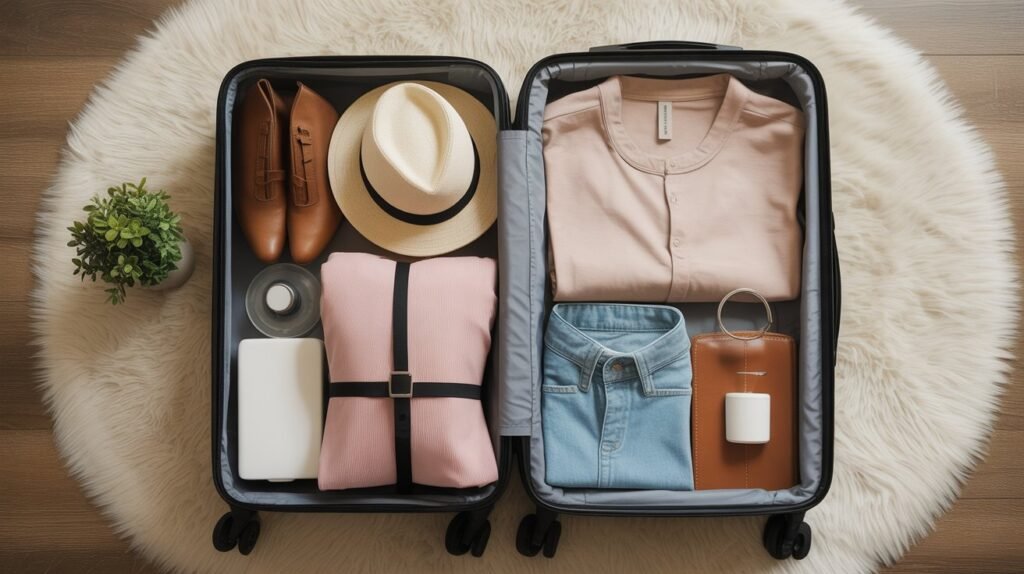
Pack essentials, versatile clothing, and items you actually use daily. Most forgotten items can be bought at your destination.
Travel feels lighter when your bag is lighter.
6: Learn Basic Local Etiquette and Culture
You don’t need to know everything, but understanding basic customs shows respect and avoids uncomfortable situations.
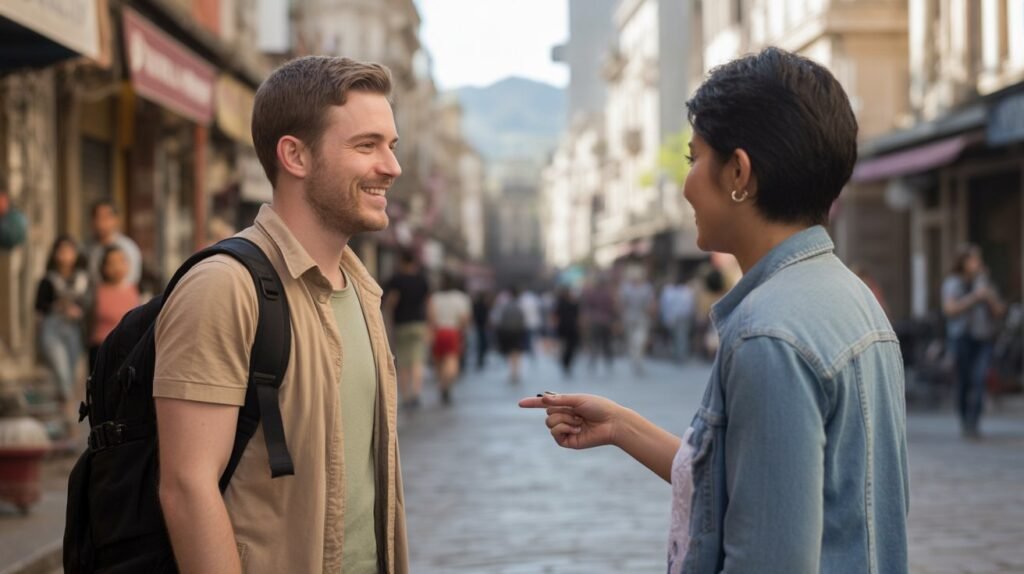
Learn:
- Common greetings
- Dress expectations
- Cultural do’s and don’ts
Respectful travelers are welcomed everywhere.
7: Expect Things to Go Wrong (And Stay Calm)
Delayed flights, wrong turns, and missed plans are not failures – they are part of travel. First-time travelers often panic because they expect everything to go smoothly.
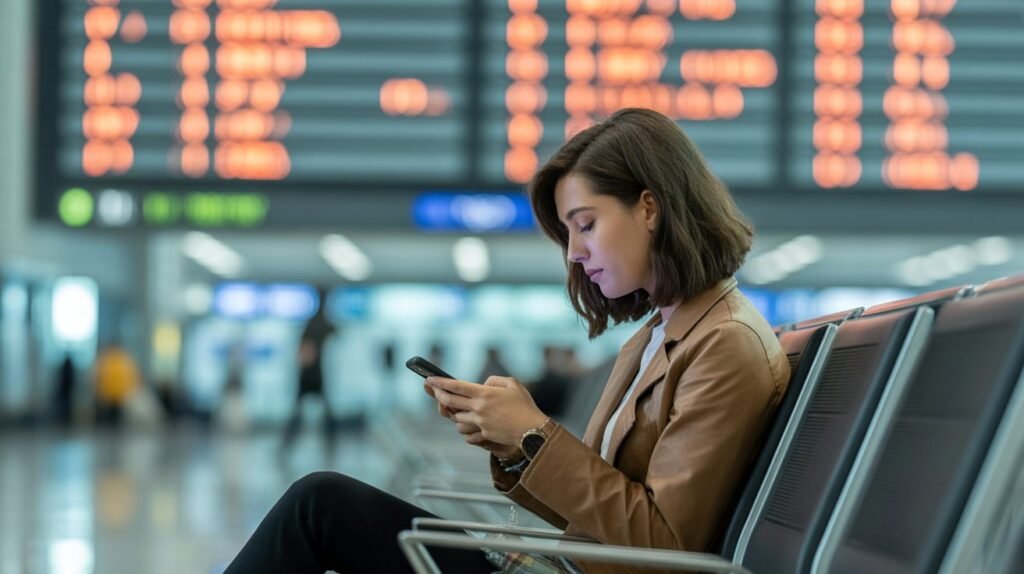
The real travel skill is adaptability. Staying calm often turns problems into stories you’ll remember forever.
8: Stay Connected but Be Present
Internet access is important for maps, bookings, and safety, but don’t experience your entire trip through a screen.
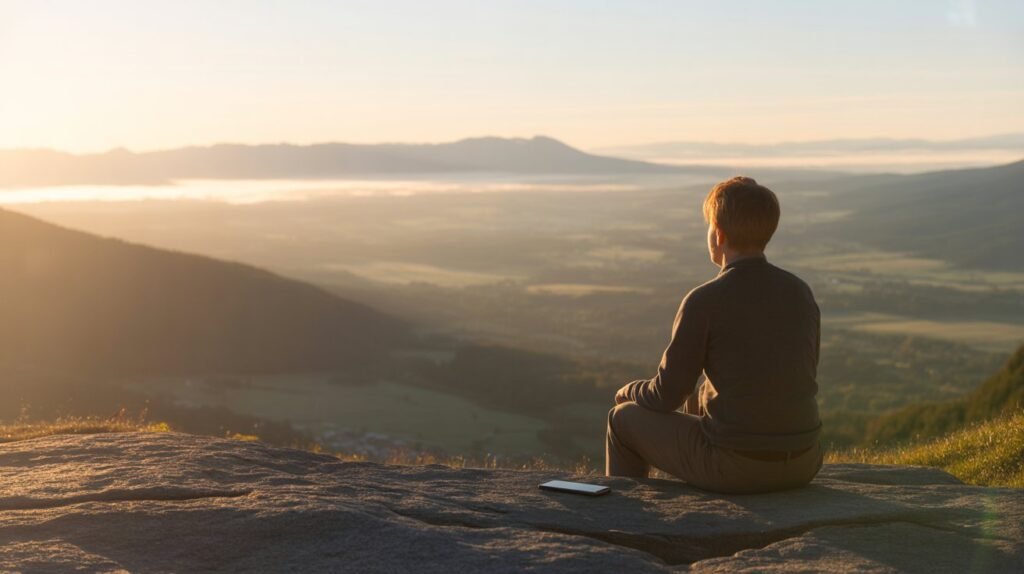
Take photos, then put the phone away. Real memories come from moments, not notifications.
Balance connection with presence.
9: Prioritize Safety Without Fear
Being careful doesn’t mean being afraid. Keep copies of documents, stay aware of your surroundings, and trust your instincts.

Simple habits like informing someone of your plans and avoiding isolated areas at night make a big difference.
Confidence comes from preparation, not paranoia.
10: Accept That You’ll Come Back Changed
Your first trip will teach you things no guidebook can. You’ll learn about places – and about yourself.
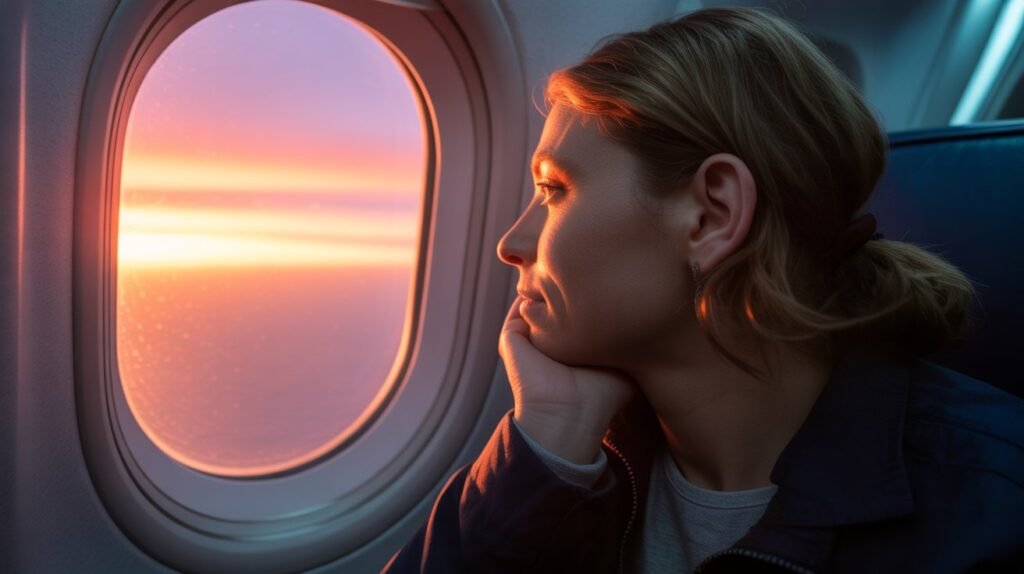
Travel doesn’t just change locations; it changes perspective. And once you start, it becomes hard to stop.
This is only the beginning.
(FAQs)
Is traveling alone safe for first-time travelers?
Yes, if you choose beginner-friendly destinations, stay aware, and plan properly. Solo travel often builds confidence quickly.
How many days are ideal for a first trip?
A short trip of 3–7 days is ideal. It allows you to learn without feeling overwhelmed.
Do I need expensive gear to travel?
No. Comfortable clothes, a good bag, and basic essentials are more than enough for your first journey.
What is the biggest mistake first-time travelers make?
Overplanning or expecting perfection. Flexibility makes travel enjoyable.
Should I use a travel agent for my first trip?
Not necessarily. With basic research, first-time travelers can plan successfully on their own.
Final Thought
First-time travel isn’t about doing everything right. It’s about starting, learning, and growing with every step. If this is your first journey, trust yourself – you are more ready than you think.